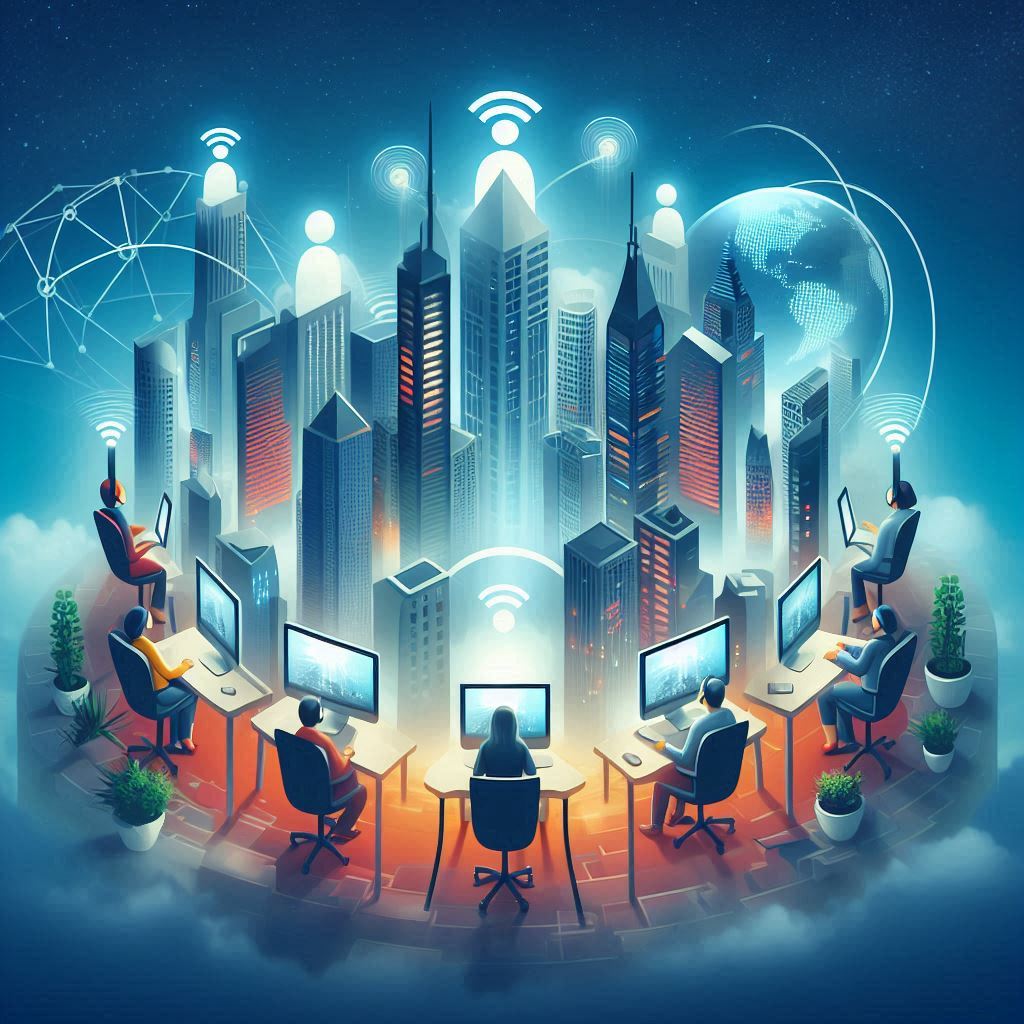
The rise of remote work is reshaping urban development, leading to a reimagining of city spaces and real estate. As offices empty, cities must innovate to adapt, focusing on mixed-use developments, green spaces, and community-centric designs that foster connection and resilience in a post-pandemic world.
The Impact of Remote Work on Urban Development
The shift towards remote work has profound implications for urban development, influencing everything from real estate to transportation and community dynamics. Here’s an exploration of how this trend is reshaping our cities.
1. Changing Real Estate Dynamics
-
Decline in Office Space Demand: With more companies adopting remote work policies, the demand for traditional office spaces is decreasing. This shift is prompting landlords and developers to rethink their strategies.
-
Rise of Mixed-Use Developments: Urban planners are increasingly focusing on mixed-use developments that combine residential, commercial, and recreational spaces. This approach encourages vibrant communities where people can live, work, and play without extensive commuting.
-
Repurposing Vacant Spaces: Empty office buildings can be transformed into residential units, co-working spaces, or community hubs, addressing housing shortages while revitalizing urban areas.
2. Transportation and Mobility Changes
-
Reduced Commuting Needs: As remote work reduces the need for daily commutes, cities are experiencing less traffic congestion and lower pollution levels. This shift allows for a reevaluation of transportation infrastructure.
-
Investment in Public Transit Alternatives: Cities can redirect funds from traditional transit systems to enhance bike lanes, pedestrian pathways, and electric vehicle charging stations, promoting sustainable mobility options.
3. Emphasis on Green Spaces and Community Well-Being
-
Increased Demand for Green Spaces: With more people working from home, there is a growing desire for accessible parks and recreational areas. Urban planners are prioritizing green spaces to enhance the quality of life and promote mental well-being.
-
Community-Centric Designs: The focus is shifting towards creating neighborhoods that foster social interaction and community engagement. This includes designing public spaces that encourage gatherings, events, and local markets.
4. Economic Resilience and Local Business Support
-
Support for Local Economies: Remote work encourages individuals to shop locally, boosting small businesses and fostering economic resilience within communities.
-
Flexible Workspaces: The rise of co-working spaces provides opportunities for freelancers and remote workers to collaborate, network, and access resources, contributing to a dynamic local economy.
5. Future Urban Planning Strategies
-
Data-Driven Decision Making: Urban planners are leveraging data analytics to understand changing demographics and work patterns, allowing for more informed decisions in urban development.
-
Sustainable Practices: The integration of sustainable practices in urban planning is becoming essential. This includes energy-efficient buildings, waste reduction initiatives, and sustainable transportation options.
Conclusion
The impact of remote work on urban development is significant and multifaceted. As cities adapt to this new reality, they have the opportunity to create more livable, sustainable, and resilient environments. By embracing innovative strategies and prioritizing community well-being, urban areas can thrive in a post-pandemic world, ultimately leading to a brighter future for all residents.