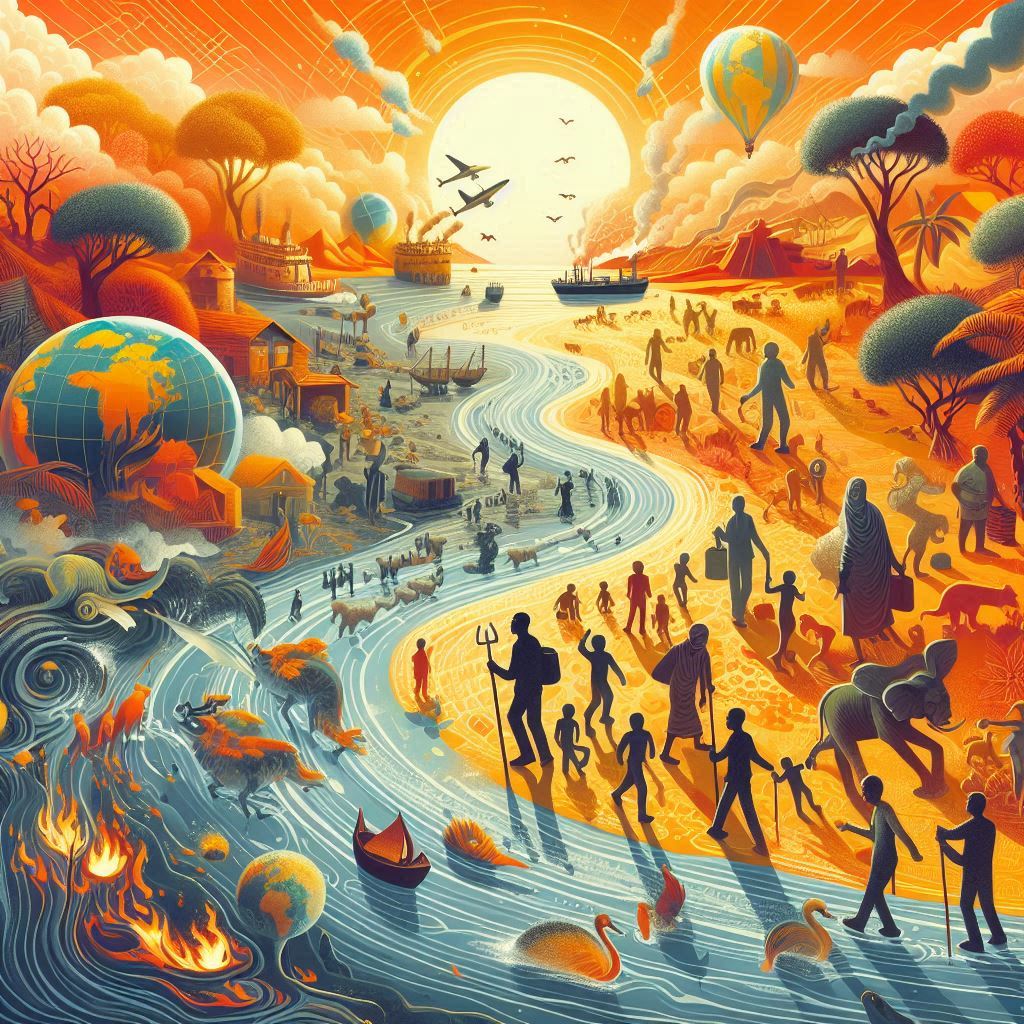
Title: The Effects of Climate Change on Global Migration Patterns
Climate change is no longer a distant threat; it is a pressing reality that is reshaping our world in profound ways. One of the most significant impacts of climate change is its influence on global migration patterns. As environmental conditions deteriorate, millions of people are forced to leave their homes in search of safety, stability, and a better future. This article explores the multifaceted effects of climate change on migration, highlighting the urgency of addressing this global challenge.
Understanding Climate Migration
Climate migration refers to the movement of people caused by changes in the environment, including extreme weather events, rising sea levels, and resource scarcity. According to the United Nations, it is estimated that by 2050, up to 200 million people could be displaced due to climate-related factors. This phenomenon is not limited to one region; it affects communities worldwide, from small island nations to densely populated urban areas.
The Drivers of Climate Migration
Several key factors drive climate migration:
-
Extreme Weather Events: Natural disasters such as hurricanes, floods, and wildfires are becoming more frequent and severe due to climate change. These events can devastate communities, leading to immediate displacement and long-term migration.
-
Rising Sea Levels: Coastal areas are particularly vulnerable to rising sea levels, which threaten to submerge entire communities. Countries like Bangladesh and the Maldives face existential threats, forcing residents to relocate inland or to other countries.
-
Resource Scarcity: Climate change exacerbates resource scarcity, particularly in agriculture and water supply. Droughts and changing weather patterns can lead to crop failures, food insecurity, and competition for dwindling resources, prompting people to migrate in search of better living conditions.
-
Economic Instability: As climate change impacts economies, particularly in developing nations, people may be compelled to leave their homes in search of employment and stability. Economic migration often intertwines with environmental factors, creating complex migration patterns.
The Human Cost of Climate Migration
The effects of climate change on migration are not just statistical; they have real human consequences. Displaced individuals often face significant challenges, including loss of livelihoods, social dislocation, and psychological trauma. Many migrants encounter barriers in their new locations, such as xenophobia, lack of access to services, and legal obstacles. The plight of climate migrants underscores the need for compassionate and comprehensive policies that address their unique needs.
Global Responses and Solutions
Addressing climate migration requires a multifaceted approach that includes:
-
International Cooperation: Countries must work together to develop frameworks that protect the rights of climate migrants. This includes recognizing climate migration as a legitimate reason for displacement and providing support for affected populations.
-
Sustainable Development: Investing in sustainable practices can help communities adapt to climate change and reduce the need for migration. This includes promoting renewable energy, sustainable agriculture, and resilient infrastructure.
-
Disaster Preparedness: Enhancing disaster preparedness and response systems can mitigate the impacts of extreme weather events, reducing the likelihood of displacement. Communities that are better prepared are more resilient in the face of climate challenges.
-
Public Awareness and Advocacy: Raising awareness about the link between climate change and migration is crucial. Advocacy efforts can mobilize support for policies that protect vulnerable populations and promote sustainable solutions.
Inspiring Action for a Sustainable Future
While the challenges posed by climate change and migration are daunting, they also present an opportunity for innovation and collaboration. By fostering a global dialogue on climate migration, we can inspire action that not only addresses the immediate needs of displaced individuals but also promotes a sustainable future for all.
In conclusion, the effects of climate change on global migration patterns are profound and far-reaching. As we confront this reality, it is essential to recognize the resilience of those affected and to work collectively towards solutions that honor their dignity and rights. Together, we can create a world where everyone has the opportunity to thrive, regardless of the environmental challenges they face.